
+977-9767833201
info@nepalchallenge.com
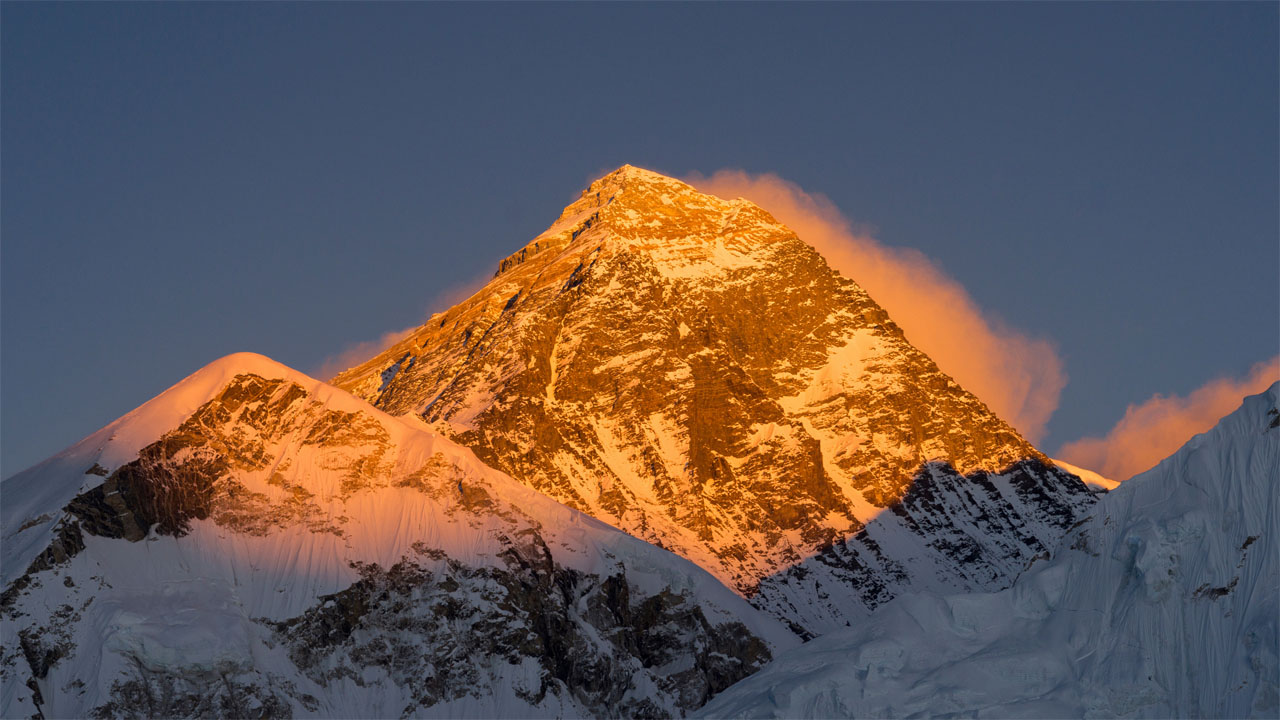
Overview The Jiri Gokyo Lake Trek is a captivating and exhilarating adventure in the heart of the majestic Himalayas. It offers a remarkable blend of awe-inspiring landscapes, cultural encounters, and a challenging yet rewarding trekking experience. Spanning approximately 300 kilometers, this trek takes you through diverse terrains, picturesque valleys, and charming Sherpa villages, providing a glimpse into the traditional mountain way of life. Starting from the quaint town of Jiri, famously known as the gateway to Everest, the trek winds its way through lush forests, cascading waterfalls, and terraced farmlands. As you ascend higher, the trail unveils breathtaking vistas of…
The Jiri Gokyo Lake Trek is a captivating and exhilarating adventure in the heart of the majestic Himalayas. It offers a remarkable blend of awe-inspiring landscapes, cultural encounters, and a challenging yet rewarding trekking experience. Spanning approximately 300 kilometers, this trek takes you through diverse terrains, picturesque valleys, and charming Sherpa villages, providing a glimpse into the traditional mountain way of life.
Starting from the quaint town of Jiri, famously known as the gateway to Everest, the trek winds its way through lush forests, cascading waterfalls, and terraced farmlands. As you ascend higher, the trail unveils breathtaking vistas of snow-capped peaks, including the legendary Mt. Everest, Cho Oyu, Lhotse, and Makalu, among others. The highlight of the trek is undoubtedly the mesmerizing Gokyo Lakes, a chain of turquoise glacial lakes nestled amidst the pristine Himalayan landscape.
The trek presents a unique opportunity to immerse yourself in the Sherpa culture and their warm hospitality. Along the way, you will encounter traditional Sherpa villages such as Junbesi, Namche Bazaar, and Khumjung, where you can interact with the friendly locals, visit ancient monasteries, and gain insights into their age-old traditions and beliefs.
The trek also features challenging mountain passes, including the famous Renjo La Pass, which rewards you with a panoramic view of the surrounding peaks. It requires physical fitness and acclimatization due to the high altitude, adding an element of adventure and accomplishment to the journey.
The Jiri Gokyo Lake Trek is best undertaken during the spring (March to May) and autumn (September to November) seasons when the weather is favorable, offering clear skies and stunning views. Proper trekking gear, including sturdy boots, warm clothing, and a reliable guide, are essential for a safe and enjoyable experience.
In conclusion, the Jiri Gokyo Lake Trek is a captivating blend of natural beauty, cultural immersion, and thrilling adventure. It is an opportunity to witness the grandeur of the Himalayas, experience the warmth of the Sherpa culture, and create lifelong memories amidst some of the world’s most stunning landscapes.
We will be there to receive you at the airport as you land into Kathmandu (4,600 feet) and take you to your hotel.
We begin our trip with visiting different heritage sites in Kathmandu and stopping at some of the popular tourist hangouts. Kathmandu is rich in culture and the ancient parts of the city have not changed for hundreds of years. Your journey starts the next day so we will run you through the itinerary.
We head east toward Jiri in a public bus. It is an eight hour trip through serpentine roads carved into the hills with stops for lunch and snacks in villages along the way. Jiri is a small and beautiful town and used to be the starting point of the original trail to Mount Everest used by Tenzing Norgay and Edmund Hillary.
We will start our long trek ahead by a hiking up to Bhandar. It takes about six hours to get here and we have to pass through several villages and make steep climbs. At Bhandar, you can visit local monasteries to take your mind off all the exhaustion from the first day of the expedition.
It again takes around six hours to trek to Sete village. First, we make our way downhill from Bhandar which is relatively easy but then comes a steep climb towards the end. You will surely be in a lot of pain after this day but the view of the Himalayas in the distance will be there to comfort you.
The Himalayas will accompany you (from a distance) throughout the way to Junbesi as we pass through forests and by some monasteries. The first part of the trek is a half a mile ascent of a steep hill and then a short descent till we reach the valley. It takes six hours to get here.
The day begins with a relatively flat trek past the village of Junbesi. You will be slowly gaining elevation till there comes a point where you have to make a sharp downhill journey which will be the most difficult so far in the trip. The whole ordeal takes about five hours but you will be walking past forests and monasteries to keep your mind off the pain.
You will have to trek downhill for five hours this day. We make our way through forests towards the Dudh Koshi River after which comes the ascent to Kharikhola. The beautiful Sherpa village is perfect if you like taking leisurely walks in the evenings.
The way trek to Puiyan is very difficult because you will have to climb uphill in rugged terrain and rocky trail. You have to hike up to the Khari La Pass before arriving at Puiyan. The entire trek takes six hours.
It is a day of walking five hours downhill to Phakding. The village is deep inside the Everest region and we will move towards the Gokyo Valley from here.
We will climb up for six hours through forests and past gorges to reach Namche Bazaar. This small town bustling with tourists is a must-see place on its own and is famous for its night clubs and bars.
We will rest up at Namche for a day for acclimatization purposes. In the middle of the Everest region and at temperature nearing or below 30 °F, you will need it. But you can spend the day leisurely walking around town talking to the local Sherpas or fellow travellers. And if you want to go for a last minute shopping, you will find almost everything at the Bazaar.
It is a long day of trekking as we have to trek uphill for as long as five hours to reach Phortse. Phortse is a model ecotourism village surrounded by exotic trees, birds, and animals. The Sherpas here are always happy to perform cultural shows for tourists.
The terrain starts getting more rugged and barren this high from sea level. It’s only bare mountains and valleys for five hours till we reach Maccherma village. View from up here is amazing as you will see the Dudh Koshi River Valley below and Himalayan peaks above.
We will reach the Gokyo Valley after six hours of trekking. There are mountain streams and lakes to watch as we reach the beautiful valley that is surrounded by the Himalayas. Fatigue starts to creep in this far and this high in your journey but the amazing view of Mount Everest and the Himalayas make the trip worth it.
In the Gokyo Valley, we will walk to the base of Gokyo Ri or the Gokyo Peak (17,575 feet). You can make to the summit in three hours if you wish to. You will be treated with clear views of Mount Everest, Mount Makalu, Mount Lhotse and Mount Cho Oyu from there. The mountain is located just next to the largest glacier in the Himalayas, the Ngozumpa Glacier. After gazing at the Himalayas for a few hours, we will walk back to the Gokyo Valley and rest for the day.
It’s a four-hour trek to Thangna beginning with a tricky section past the Ngozumpa Glacier. After that it is a quite smooth walk to Thangna which is located at the base of the Cho La pass.
This is a tough day of trekking. We have to climb up the snow to reach the top of Cho La pass. The route is tricky and offers a pure mountain climbing experience. After crossing the pass, there is a steep descent down to Dzongla. It all takes about seven hours.
We will hike through snow and reach Lobuche at the foot of Khumbu glacier in not more than four hours. Mount Everest will just be a day away.
A short three-hour trek will take you to Gorakshep, a village sitting on top of a frozen lake bed. After lunch, we will walk for two to three hours to reach the Everest Base Camp. You will get to stand on the foot of the tallest peak in the world. But, however much you might want, you cannot camp here with your trekking permit so we will have to return to Gorakshep before night.
We will hike up to Kala Patthar, which lies on the southern ridge of Mount Pumori (23,494 feet). It’s a two-hour climb after which you will be at the highest point of your journey. Here you will get the best panoramic view of the Everest along with the Khumbu Glacier and other Himalayan peaks. We will descend to Pheriche, a small village full of yaks, and rest for the day.
It is about five and a half hours of trekking today. Downhill treks such as these are relatively easier now. We will have to cross rivers at a few places to get back to Namche Bazaar. It’s a great place to share your experience with fellow trekkers and recollect the exotic views of the Himalayas from up close.
In the Above Cost It Includes:
1. Airport Pick-up and Drop Off,
2. Licensed and trained trekking guides,
3. potters for carrying goods and supplies,
4. 4 Nights Accommodation in the 3 Star Hotel in Kathmandu with B & B. (Bed
& Breakfast)
5. All accommodation during the trek.
6. All meals and hot beverages during the trek.
7. Transportation to and from trail head.
8. All necessary documents and permits for trekking (where applicable)
9. National Park/Conservation Area entry Permit, Equipment such as tents And Mattresses, Cooking Equipment, Camp site charges, Insurance, and
equipment for the staffs.
10. Coordination of quick Rescue service (Costs covered by your Insurance Plan)
11. Trekking staffs wages etc.
12. 1 hr. trekker massage after your trek.
Services and Cost Does not Included in Price:
1. International Airfares,
2. Travel/Trekking Insurance,
3. Excess baggage charges More than 16kg and hand bag more than 5 kg in
domestic flights.
4. Visa fees.
5. Airport Departure Taxes.
6. Drinks (Cold and Alcoholic) Rescue charge.
7. Tips for The staffs.
8. Expenses of Personnel nature and Permit and Liaison officer fee (where Applicable.
9. Meals during stay in the Kathmandu.
10. Domestic Ticket Etc.
The trek begins in the town of Jiri, from where you will trek through several traditional Sherpa villages, including Junbesi, which is famous for its ancient monasteries and traditional Sherpa culture. You will also trek through the stunning Sagarmatha National Park, which is home to several endangered species of flora and fauna, including the elusive snow leopard.
The highlight of the Jiri Gokyo Lake Trek is the ascent to the beautiful Gokyo Lakes, which are a series of turquoise lakes that offer stunning views of the Himalayan range, including Cho Oyu, Lhotse, and Makalu. You will also cross the challenging and technical Cho La Pass, which offers stunning views of the surrounding peaks and is a great opportunity to test your physical and mental endurance.
In addition to the natural beauty of the region, the Jiri Gokyo Lake Trek also offers an opportunity to experience the local Sherpa culture and hospitality. You will visit several ancient Buddhist monasteries along the way, and have the opportunity to learn about the local traditions and way of life.
Overall, the Jiri Gokyo Lake Trek is a challenging but rewarding trek that offers a unique opportunity to experience the beauty and grandeur of the Everest region. It requires a good level of physical fitness and acclimatization, but the stunning landscapes and cultural experiences are well worth the effort. It is a great option for those who want to experience the remote and less-visited parts of the region and have a good level of physical fitness and endurance.


