
+977-9767833201
info@nepalchallenge.com
Overview The Everest Cultural Trek is an extraordinary journey that combines the breathtaking beauty of the Himalayas with the rich cultural heritage of the Sherpa people. This trek is also perfect for those seeking a unique adventure that goes beyond just mountain views, offering an immersive experience into the local way of life. The trek begins with a thrilling flight from Kathmandu to Lukla, a small mountain airstrip that serves as the gateway to the Everest region. From Lukla, the trail also winds through charming Sherpa villages, ancient monasteries, and lush valleys, providing a glimpse into the daily lives and…
The Everest Cultural Trek is an extraordinary journey that combines the breathtaking beauty of the Himalayas with the rich cultural heritage of the Sherpa people. This trek is also perfect for those seeking a unique adventure that goes beyond just mountain views, offering an immersive experience into the local way of life.
The trek begins with a thrilling flight from Kathmandu to Lukla, a small mountain airstrip that serves as the gateway to the Everest region. From Lukla, the trail also winds through charming Sherpa villages, ancient monasteries, and lush valleys, providing a glimpse into the daily lives and traditions of the Sherpa community.
One of the highlights of the Everest Cultural Trek is the visit to the legendary Namche Bazaar, a bustling market town and the unofficial capital of the Khumbu region. Here, trekkers can also explore colorful markets, interact with friendly locals, and learn about the Sherpa culture through traditional dances and music.
As the journey continues, trekkers traverse through rhododendron forests, cross suspension bridges over roaring rivers, and pass through picturesque hamlets. Along the way, there are ample opportunities to interact with Sherpa families, visit monasteries, and gain insights into their spiritual beliefs and practices.
Reaching Tengboche, trekkers are greeted by the magnificent Tengboche Monastery, the spiritual center of the region. The monastery offers breathtaking panoramic views of Everest, Ama Dablam, and other snow-capped peaks. This serene and tranquil setting provides the perfect opportunity for reflection and appreciation of the natural and cultural wonders of the Everest region.
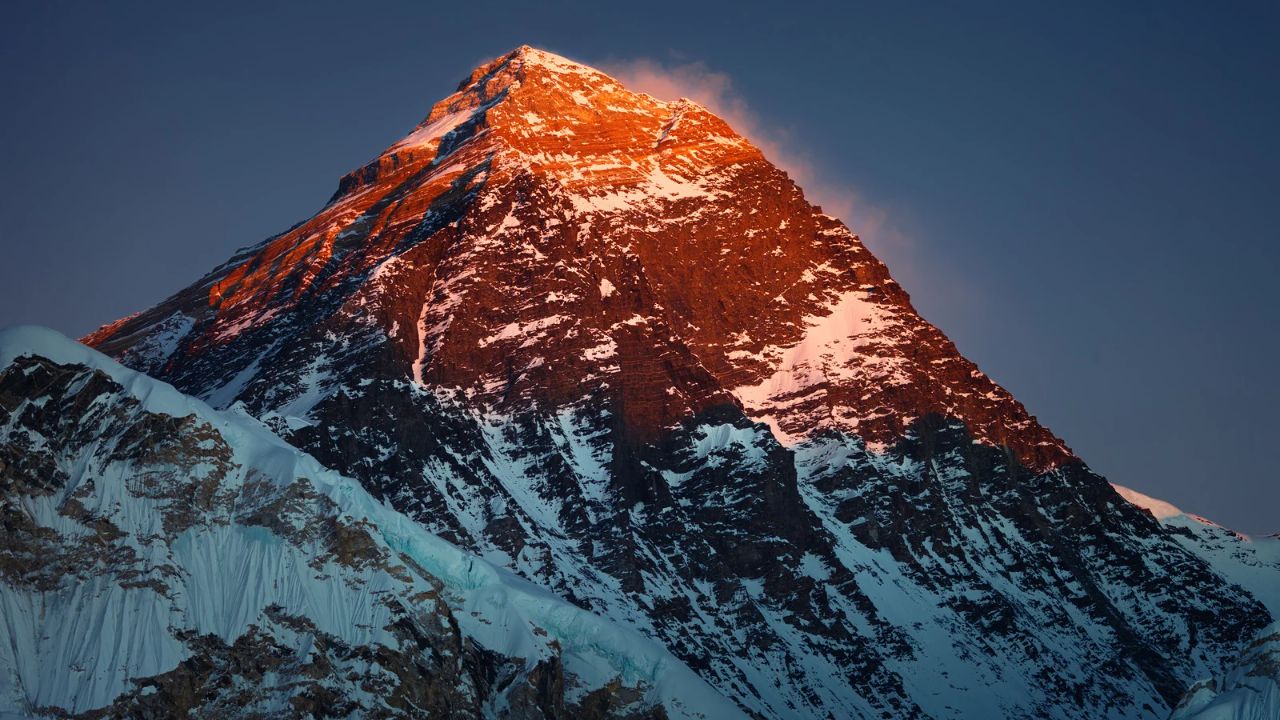
The Everest Cultural Trek concludes with a hike to Everest View Hotel, known for its stunning vistas of Mount Everest. This vantage point allows trekkers to savor the majesty of the world’s highest peak up close, creating memories that last a lifetime.
Overall, the Everest Cultural Trek is a remarkable adventure that combines the awe-inspiring beauty of the Himalayas with a deep immersion into the Sherpa culture. It is a journey that not only challenges your physical endurance but also nourishes your soul with the warmth and hospitality of the Sherpa people and the cultural riches of the Everest region.
The Everest Cultural Trek is an unforgettable experience that offers a unique blend of natural beauty and cultural heritage. Some of the highlights of the trek include:
Overall, the Everest Cultural Trek is a once-in-a-lifetime experience that combines the best of nature, culture, and adventure in the stunning Himalayas.
Fly from Kathmandu to Lukla (2886m.) takes about 35 minutes. Trek from Lukla to Phakding (2640 m.) takes approximately three hours. You begin your trek from Lukla following a gentle climb up the mountainside on the left bank of the Dudh Koshi River. Nupla (5885m) which can be seen in the distance on the opposite bank is a peak atop the Kongde Ridge. You descend a mountainside path that merges into your route to Everest, with views to a valley to your right; and at its far end, Kusum Kang (6367m.) Stay overnight at lodge.
Trek from Phakding to Namche Bazaar (3440m.) takes approximately five hours. Namche Bazaar (3440m) is surrounded on three sides by mountain ranges and opens out only where it faces the Bhote Koshi. Stay overnight at lodge.
A day for rest at Namche Bazaar (3440m.) for acclimatization. It is an ideal place to spend a rest day for acclimatization to the high altitude before heading off towards Tyangboche. For acclimatization you walk up to Khumjung where you can visit a monastery. You can also enjoy the splendid views of Everest, Ama Dablam, Thamserku, Nuptse, Lhotse, Tawoche, and Kwangde and so on. Or you can take an hour’s walk up to Syangboche (3800m.) where Everest View Hotel is situated above Namche for an outstanding view of Everest, Nuptse, Lhotse, Ama Dablam, Thamserku and Kusum Kangaru. Stay overnight at lodge.
Trek from Namche Bazaar to Tyangboche (3867 m.) takes about five hours. As you leave the village for a climb to the top of a ridge and level mountain path you get to view excellent panorama of Thamserku, Kantega, and Kusum Kangrib. After a gentle descent the mountain path ends; you will come to the fork leading to Gokyo. It is a long climb to Tyangboche; the first half is especially steep. As you climb through the forested zone, the incline eases and a splendid view appears. You continue climbing the mountainside diagonally until you come to the stone gate built by lamas which marks your entry into Tyangboche (3860m). You may use the large plateau in front of the splendid monastery as your campsite. There are a lodge and hotel managed by the National Park Service. Tyangboche is an important lookout point on this course and the sunset on Everest and Ama Dablam is especially beautiful Stay overnight at lodge.
Trek from Tyangboche to Monjo (2835m.) via Shanasa (3670m.) takes approximately six and half hours. In the morning you will visit to the Tyangboche monastery and the nearby museum. In the afternoon you retrace your steps downhill through the beautiful forest of juniper, rhododendron and fir to Phunkitenga. After you cross the Dudh Koshi, you ascend steeply to Trashinga. From here the trail contours high above the valley to Shanasa. The villages of Kunde and Khumjung are only a short trek off the main trail and are well- worth visiting. Khumjung has a beautiful monastery and Kunde has a small hospital run by late Sir Edmund Hillary’s Himalayan Trust and you will return to Namche via this route. The walk also heads past the Everest View Hotel and the Syangboche airstrip before dropping into Namche where you take lunch. In the afternoon you descend steeply and then walk along the river bank back to Jorsale where you leave the national park before continuing to Monjo.Stay overnight at lodge.
Trek from Monjo to Lukla (2886m.) takes about four hours. You re-trace your steps along the Dudh Koshi, crossing the western bank at Benkar. It is a beautiful and easy walk through blue pine and rhododendron forest, back-dropped with views of Kusum Kangaru. An early lunch at Phakding and in the afternoon you ascend out of the river valley back to the airstrip. In the evening, a farewell dinner may be followed by a few celebratory drinks and dancing with Sherpa companions. Stay overnight at lodge.
Fly from Lukla to Kathmandu takes 35 minutes. You take an early morning flight back to Kathmandu.
In the Above Cost It Includes:
1. Airport Pick-up and Drop Off,
2. Licensed and trained trekking guides,
3. potters for carrying goods and supplies,
4. 4 Nights Accommodation in the 3 Star Hotel in Kathmandu with B & B. (Bed
& Breakfast)
5. All accommodation during the trek.
6. All meals and hot beverages during the trek.
7. Transportation to and from trail head.
8. All necessary documents and permits for trekking (where applicable)
9. National Park/Conservation Area entry Permit, Equipment such as tents And Mattresses, Cooking Equipment, Camp site charges, Insurance, and
equipment for the staffs.
10. Coordination of quick Rescue service (Costs covered by your Insurance Plan)
11. Trekking staffs wages etc.
12. 1 hr. trekker massage after your trek.
Services and Cost Does not Included in Price:
1. International Airfares,
2. Travel/Trekking Insurance,
3. Excess baggage charges More than 16kg and hand bag more than 5 kg in
domestic flights.
4. Visa fees.
5. Airport Departure Taxes.
6. Drinks (Cold and Alcoholic) Rescue charge.
7. Tips for The staffs.
8. Expenses of Personnel nature and Permit and Liaison officer fee (where Applicable.
9. Meals during stay in the Kathmandu.
10. Domestic Ticket Etc.
You will also visit the Tengboche Monastery, one of the most important Buddhist monasteries in the region, and attend a traditional Buddhist prayer ceremony with the monks.
The Everest Cultural Trek is a moderate trek that is suitable for anyone with a moderate level of fitness. The trek takes about 12 days to complete and reaches a maximum altitude of 3,870 meters at Tengboche. The trek can be done year-round, but the best time to go is during the spring (March to May) and autumn (September to November) when the weather is clear and stable.
Overall, the Everest Cultural Trek is a fantastic way to experience the beauty and cultural richness of the Everest region while also getting some exercise and fresh air.


