+977-9767833201
info@nepalchallenge.com
Overview The Upper Mustang Trek is an exhilarating adventure that takes you into the remote and mystical region of Mustang in Nepal. With its breathtaking landscapes, ancient Tibetan culture, and unique Tibetan-influenced architecture, the Upper Mustang Trek also offers a one-of-a-kind experience for trekkers seeking a blend of natural beauty and cultural immersion. Starting from Jomsom, the trek winds its way through the arid Kali Gandaki Valley, with towering cliffs and barren landscapes. As you ascend higher, you'll reach Lo Manthang, the capital of Upper Mustang, a walled city with fascinating monasteries, ancient palaces, and narrow alleys lined with prayer…
The Upper Mustang Trek is an exhilarating adventure that takes you into the remote and mystical region of Mustang in Nepal. With its breathtaking landscapes, ancient Tibetan culture, and unique Tibetan-influenced architecture, the Upper Mustang Trek also offers a one-of-a-kind experience for trekkers seeking a blend of natural beauty and cultural immersion.
Starting from Jomsom, the trek winds its way through the arid Kali Gandaki Valley, with towering cliffs and barren landscapes. As you ascend higher, you’ll reach Lo Manthang, the capital of Upper Mustang, a walled city with fascinating monasteries, ancient palaces, and narrow alleys lined with prayer wheels. The Tibetan Buddhist traditions and rituals are still preserved here, allowing you to witness a glimpse of the rich cultural heritage.
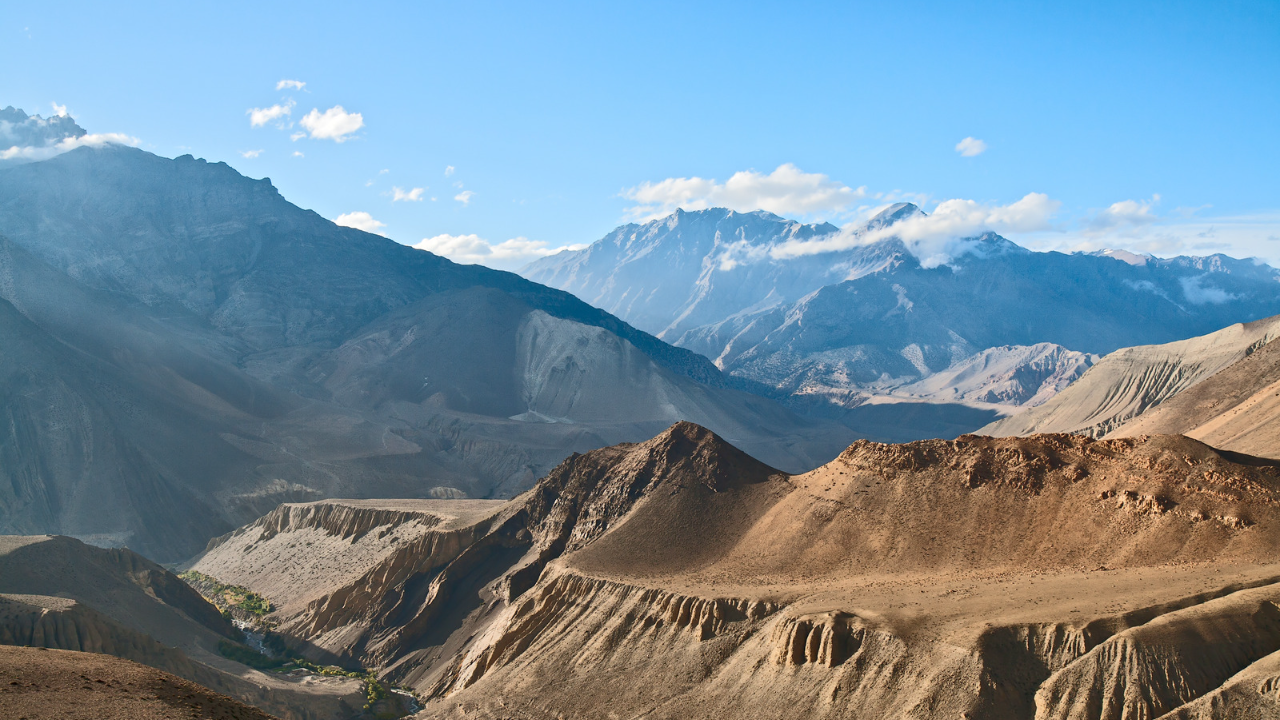
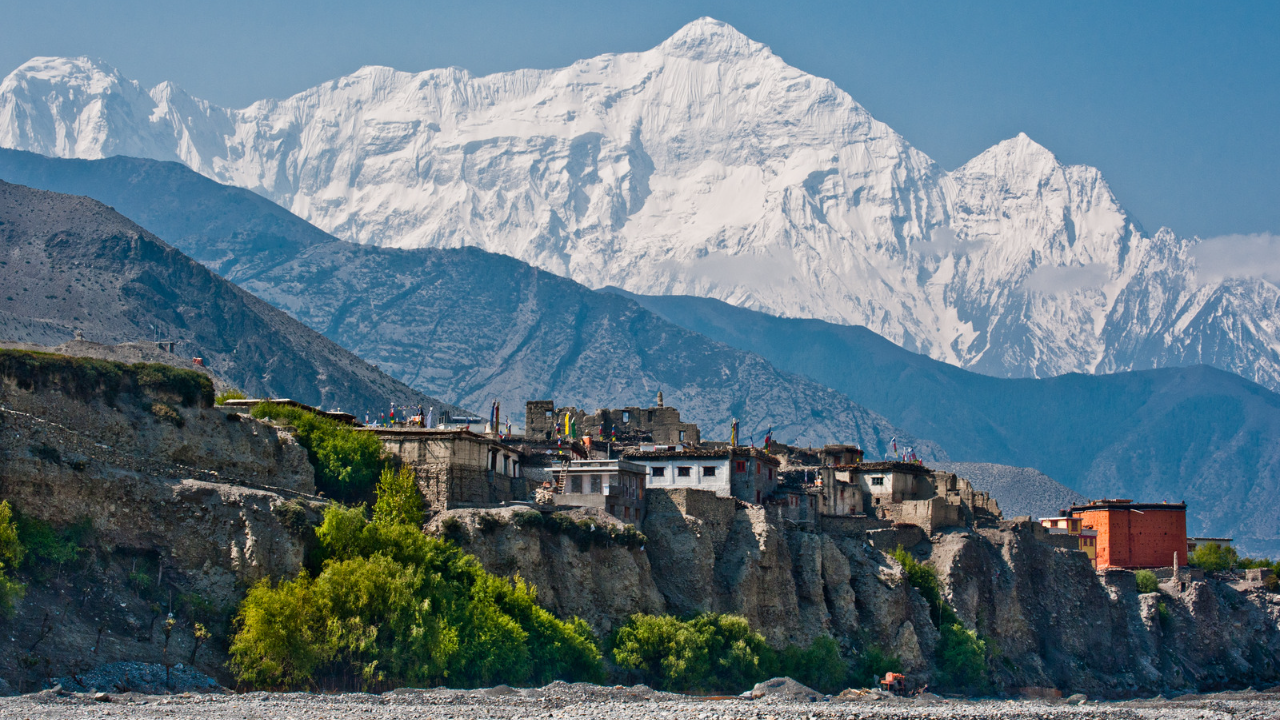
The trek continues through picturesque villages like Dhakmar, Tsarang, and Ghami, each offering its own unique charm. The trails lead you to high passes, such as the Lo La Pass, granting stunning panoramic views of the Himalayan peaks, including Nilgiri, Annapurna, and Dhaulagiri. The stark beauty of the Mustang landscape, with its eroded cliffs, colorful rock formations, and vast open spaces, creates an otherworldly ambiance that captivates trekkers.
Apart from the awe-inspiring scenery, the Upper Mustang Trek also offers opportunities to interact with the warm and friendly locals. The people of Mustang have deep cultural ties to Tibet, and their lifestyle and traditions remain largely untouched by modernization. You can engage with the locals, visit monasteries, and witness traditional festivals to gain a deeper understanding of their way of life.
In conclusion, the Upper Mustang Trek is a remarkable journey that combines stunning natural landscapes with rich cultural encounters. It is an opportunity to explore a hidden gem in the heart of the Himalayas, where ancient traditions, rugged terrain, and breathtaking vistas converge to create an unforgettable trekking experience.
We take an early morning flight to Jomsom. During the early morning, the weather is the clearest, and you will see spectacular mountain views – including two eight-thousanders mountains – Dhaulagiri and Annapurna. The landscape below is absolutely breathtaking.
We land in Jomsom – the district headquarter of Mustang. The trekking starts from Jomsom. The route follows a pleasant trail up the arid valley of the Kali Gandaki River to the fort of Kagbeni, an ancient trade post with a Buddhist monastery. Kagbeni is just south of the restricted area of the Upper Mustang.
The area above Kagbeni is called Upper Mustang, and you cannot enter the upper Mustang without a permit. There is a check post at the gateway, where we register our documents and trek forward.
We will start our trek early in the morning, along the eastern bank of the Kali Gandaki River to Chuksang, to avoid the heavy Mustang wind in the afternoon. On the way, you will get fantastic views of Mt. Nilgiri glowing orange from the early sun rays. The area beside the river can be windy with dust all over the air, so you will need sunglasses and perhaps a face mask to cover your nose and mouth.
You will then pass by the Mustang’s unique red sandstone pillars and rock formations, formed by thousands of years of erosion, and reach Tangbe Village. Tangbe is a pretty village with red and whitewashed houses, picturesque apple orchards, and barley fields. Then we follow a relatively narrow canyon to Chele, a small town along a ridge. The views from Chele are other-worldly. We are sure you will not get similar views from any other parts of the world.
The day begins with an ascent to another pass – the Yamda La (3,845m/12,655 ft) Pass, through an astonishing desert landscape and a few remote settlements. Again, The trail climbs up to a large valley and then descends to a wide barley field at Gelling. The mud and stone houses at Gelling are painted white and ochre, just like in Mustang.
From Geling, we reach a settlement – Tama Gaun and climb a pass known as the Nyi La (4015 m/13,205ft). We will be descending from this pass and trek ahead to Ghami.
Starting on flat land, we ascend over yet another pass – Lo La Pass, from where you can enjoy the delightful views of the valley below – including Lo Mathang. We descend from Lo La Pass and enter Lo Mathang from the north.
Today will be the day for you to explore the historical Lo Manthang – a walled city with around 150 houses. This ancient city dates back to the 1390s approximately.
Lo Manthang was the walled capital of the Kingdom of Lo since its founding in 1380 by Ame Pal. The village is best known for its tall whitewashed mud-brick walls, gompas, and the royal palace.
This palace is a nine-cornered, five-story structure built around 1400. It is the oldest existing structure with such architecture. This town is also home to four major temples – Jampa Gompa (Jampa Lhakhang), Thubchen Gompa, Chodey Gompa, and Choprang Gompa. Jampa Gompa is the oldest and is also known as God’s house. Similarly, Choprang Gompa is also known as New Gompa. The Nepal government opened Upper Mustang for foreigners in 1992, but, even today, tourism to Upper Mustang remains limited.
We bid goodbye to Mustang and catch an early morning flight over the southern Kali Gandaki Valley to Pokhara. Then you can either fly back to Kathmandu or spend a day exploring Pokhara – a famous tourist hub in Nepal.
We depart on a tourist bus or Private Transport for a return to Kathmandu. It’s a 200 km route that first follows the Marsyangdi River and then the Trishuli River. If you want, you may choose to return by a 25-minute flight (not included in the package).
In the Above Cost It Includes:
1. Airport Pick-up and Drop Off,
2. Licensed and trained trekking guides,
3. potters for carrying goods and supplies,
4. 4 Nights Accommodation in the 3 Star Hotel in Kathmandu with B & B. (Bed
& Breakfast)
5. All accommodation during the trek.
6. All meals and hot beverages during the trek.
7. Transportation to and from trail head.
8. All necessary documents and permits for trekking (where applicable)
9. National Park/Conservation Area entry Permit, Equipment such as tents And Mattresses, Cooking Equipment, Camp site charges, Insurance, and
equipment for the staffs.
10. Coordination of quick Rescue service (Costs covered by your Insurance Plan)
11. Trekking staffs wages etc.
12. 1 hr. trekker massage after your trek.
Services and Cost Does not Included in Price:
1. International Airfares,
2. Travel/Trekking Insurance,
3. Excess baggage charges More than 16kg and hand bag more than 5 kg in
domestic flights.
4. Visa fees.
5. Airport Departure Taxes.
6. Drinks (Cold and Alcoholic) Rescue charge.
7. Tips for The staffs.
8. Expenses of Personnel nature and Permit and Liaison officer fee (where Applicable.
9. Meals during stay in the Kathmandu.
10. Domestic Ticket Etc.
Upper Mustang is a unique region that was closed to foreigners until 1992 and has retained its traditional culture and lifestyle. The region is known for its distinctive Tibetan culture, which is reflected in its architecture, art, and festivals. Visitors can explore the ancient walled city of Lo Manthang, which was once the capital of the Mustang kingdom, and visit the 15th-century monasteries of Jhong and Ghar Gompa.
During the trek, visitors can also experience the unique landscape of the Mustang region, which is a high-altitude desert characterized by red cliffs, deep gorges, and rugged canyons. The region is also home to several hot springs, which visitors can visit to relax and rejuvenate after a long day of trekking.
The best time to do the Upper Mustang Trek is from April to June and from September to November when the weather is clear, and the skies are usually blue. During these months, the temperatures are also mild, making for ideal trekking conditions.
Overall, the Upper Mustang Trek is an excellent option for those who want to experience the unique culture and landscape of the Mustang region and get off the beaten path of traditional tourist destinations. The trek offers a chance to explore a hidden kingdom that has remained untouched by modernization, as well as the stunning natural beauty of the Himalayas.